What is APN or an APN
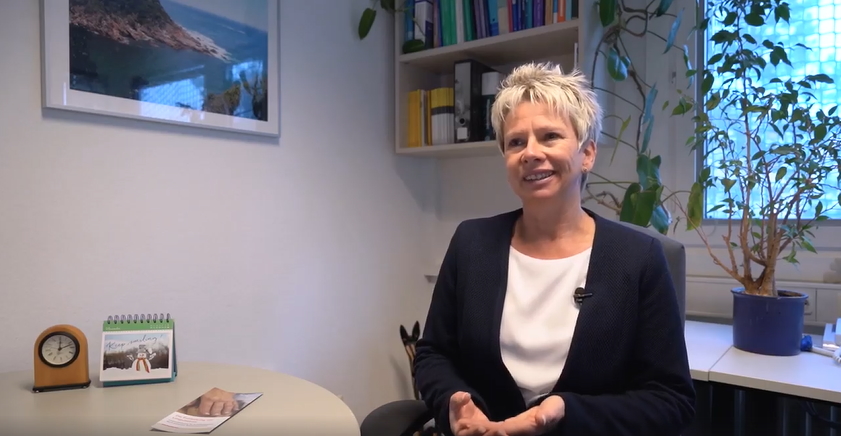
The term Advanced Practice Nursing refers to a specialized and in-depth nursing practice. The role of Advanced Practice Nurse (APN) describes a nurse who, in addition to three years of professional training, has also completed a Master's degree in Advanced Practice Nursing, Nursing Science or a comparable study programme. At the MHH, the focus of an APN's work is on direct clinical patient care. The core tasks include accompanying and advising a special patient target group and their relatives. In addition, APNs deal with questions of nursing research and ethical decision-making, promote interprofessional collaboration and communicate new scientific findings to colleagues.
Academic nurses are needed to ensure high-quality healthcare for patients in the long term (Wissenschaftsrat, 2023). For this reason, the first APN was implemented at the MHH in 2017 (Heuckeroth & Schmeer, 2018). By 2025, the team will have grown by a further eight APNs. In future, at least one APN will work for all patient groups with complex care and consultation needs.
Since April 2019, the APN trainee program has been supporting Master's students in systematically preparing for their future role as an Advanced Practice Nurse (APN). Further information can be found here.
The implementation is research-based and based on the recognized PEPPA framework by Bryant-Lukosius and DiCenso (2004). The survey methods include interviews with nursing staff and patients. In addition, standardized surveys are conducted with all members of the interdisciplinary treatment team and patients are asked about their satisfaction with the nursing care they receive. Specific APN measures are derived from the results. The role is then evaluated at regular intervals in order to best align it with the actual needs of the patient group and the specialist department.
The activities of an APN can be divided into the four pillars of advanced practice described by the National Health Service (England) (National Health Service, 2017).
The APN network has existed at the MHH since October 2023.
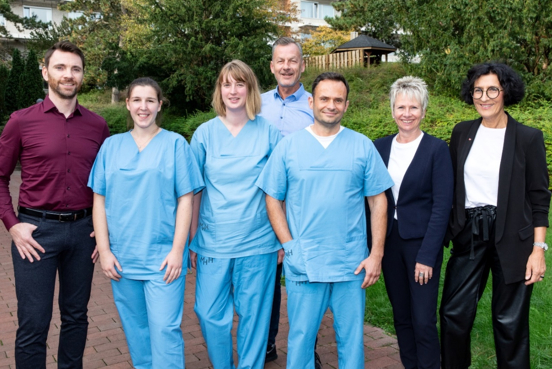
Network foundation 2023 from left: Karol Martens, Jana Heise, Lea Kauffmann, Bernhard Brüggen, Konrad Krüger, Dr. Regina Schmeer, Vera Lux. Copyright: Karin Kaiser/MHH
The network meets every two weeks and discusses the latest developments in role implementation for each APN. General topics such as the planning of workshops for the APNs, public relations work, participation in congresses or subject-specific content and new findings from nursing science are also discussed.
The goals are to establish a common supervision/case review culture, as the APNs are confronted with complex and challenging patient situations in their respective departments. The topic of public relations continues to be a high priority. The APNs are involved in congress activities in their specialist areas. This year, the organization of the 8th International Congress of the German Network Advanced Practice Nursing & Advance Nursing Practice (DNAPN & ANP), which will take place on September 4 and 5 at the MHH, is planned.
If you are interested in the APN concept at the MHH and would like to learn more about the APN role, please feel free to contact us. We are happy to share our experience and the knowledge we have built up. Work shadowing is possible in the different Departments of the individual APNs.
Before requesting an internship:
Please tell us what your goals are with the job shadowing. In order to make the best possible use of the work shadowing day, we require a basic level of knowledge. To this end, you will receive compulsory reading from us prior to the work shadowing, which we can use to build up the work shadowing day together. (see below)
If we have aroused your interest and you are interested in one of our APNs, we look forward to hearing from you. All work shadowing requests must be submitted to the Nursing Science Unit.
Contact:
Dr. rer. biol. hum. Regina Schmeer-Oetjen
M. Sc. Nursing Science
+49 511 532-5020
+49 176 1532-5020
Schmeer.Regina@MH-Hannover.de
Publications
Flügge, K., Meyer, G & Berg, A (2025). The experience of aftercare of patients and relatives after a critical illness in intensive care. A meta-synthesis. Nursing, 1-11. DOI: https: //doi.org/10.1024/1012-5302/a001032
Flügge, K., Kirchner, C., Seeger, Y. & Meyer, G. (2024) Attitudes of caregivers in long-term inpatient care towards assisted suicide. Journal of Palliative Medicine, 25(2), 85-93. Thieme E-Journals - Journal of Palliative Medicine / Full text (thieme-connect.de)
Heise, J.; Krüger, K.; Rohleder, K.; Kauffmann, L. & Schmeer, R. (2024) The first day as an Advanced Practice Nurse. Nursing Journal, 77(5), 17-20. https://www.springerpflege.de/der-erste-tag-als-advanced-practice-nurse/26991750
Rohleder, K., Eiken, A.K., Bertsche, T., Assmann, G. & Kugler, C. (2024) AB1540-HPR Assessment of self-management and self-efficacy in patients with inflammatory arthritis: A cross-sectional study. Annals of the Rheumatic Diseases, 83(1). http://dx.doi.org/10.1136/annrheumdis-2024-eular.696
Schmeer, R. & Kauffmann, L. (2023): Promoting young talent 2.0 - The APN trainee program at Hannover Medical School. In Feuchtinger & Weidich: Advanced Practice Nursing in clinical nursing practice. Stuttgart: Kohlhammer.
Albers, A.; Creemers, C.; Kauffmann, L. & Pelz, S. (2022). Understanding and implementing Advanced Nursing Practice. Nursing journal, 75, 23-25.
John, H. & Kauffmann, L. (2022). Best Practice - Nursing consultation in radiation oncology and neuro-oncology. PADUA, 17(5), 297-302.
Kauffmann, L. & Schmeer, R. (2021). Established: APN in neurosurgery. Nursing journal, 74, 62-65.
Kauffmann, L.; Heinemann, S.; Himmel, W.; Hußmann, O.; Schlott, T. & Weiß, V. (2018). Non-pharmacological measures for problems falling asleep and staying asleep in older patients in hospital - Qualitative interviews with nurses. Nursing, 31(6), 291-300.
Heuckeroth, L. & Schmeer, R. (2018). Step by step. Implementation of an APN on the ward. Nursing journal, 71, 58-60.
Heuckeroth, L. & Palm, R. (2013). How effective are silver wound dressings? Wound healing of critically colonized and infected wounds. Nursing journal, 362-365.
Current lectures
06/2025 Sohn, B.; Rohleder, K. Advanced Practice Nurses in Nephrology; Dialysis Update Hannover 2025
06/2025 Flügge, K. Implementation of an Advanced Practice Nurse for people with subarachnoid hemorrhage. 76th Annual Meeting of the German Society for Neurosurgery.
05/2025 Rohleder, K.; Schmeer-Oetjen, R.: Exploring Patients' Needs for Advanced Practice Nursing in Chronic Inflammatory Disease Management: A Qualitative Study. 4th International Conference of the German Society of Nursing Science
04/2025 Krüger, K. Through relationship & employment out of the crisis - APN for people with depressive health disorders in acute psychiatric care, 2nd Carevention - APN Kongress des Landeskrankenhauses Rheinhessen, Fachklinik Alzey
04/2025 Kafrouni, L. Surfing together - Borderline personality disorder in the acute psychiatric setting, 2nd Carevention - APN Congress of the Rheinhessen State Hospital, Fachklinik Alzey
02/2025 Flügge, K. The experience of aftercare of patients and relatives after a critical illness in intensive care. A meta-synthesis. Symposium Intensive Medicine + Intensive Care. Lecture competition Hanse Pflegepreis for a nursing science paper
09/2024 Rohleder, K.; Schmeer, R., Eiken, A., Bertsche, T., Assmann, G. & Kugler, C. Advancing Rheumatology Care: Exploring the Role of Advanced Practice Nursing in Enhancing Self-Management and Self-Efficacy, ICN NP/APN Network Conference 2024
09/2024 Schmeer, R. & Kauffmann, L. Promoting young talents - the APN trainee program at Hannover Medical School, ICN NP/APN Network Conference 2024
09/2024 Kauffmann, L. & Schmeer, R. Advanced Practice Nurse (APN) for neuro-oncology patients and their families, ICN NP/APN Network Conference 2024
06/2024 Schmeer, R. & Kauffmann, L. Increasing interprofessional collaboration and satisfaction through APN at Hannover Medical School, 11th Interprofessional Health Congress
05/2024 Kauffmann, L. Strategies in the fight against brain tumors, YES!CON, Berlin
03/2024 Krüger, K. Changing the wheel - APN for people with depression-related health disorders in acute psychiatric care at a university hospital, Annual Conference of the German Society for Psychiatric Nursing, Regensburg
02/2024 Krüger, K. APN in the psychiatry department of a university hospital, Forum erweiterte Pflegepraxis, Hanover University of Applied Sciences and Arts
11/2023 Kauffmann, L. APN Trainee Program at the MHH, VPU Congress, Berlin
11/2023 Krüger, K. Changing the wheel - APN for people with depressive health disorders in acute psychiatric care, VPU Congress, Berlin
09/2023 Heise, J.; Krüger K. & Kauffmann, L. Advanced Practice Nursing (APN): measuring, mapping and evaluating, DNAPN Congress, Hamburg
09/2023 Heise, J.; Krüger, K. & Kauffmann, L. Workshop on the topic "I pack my backpack for the first day as an APN, Tea Time Lecture HAW Hamburg
09/2023 Krüger, K. APN in the Clinical Department of Psychiatry, Niedersächsischer Pflegetag Hannover
09/2023 Kauffmann, L. Advanced Practice Nursing (APN): Development field neurosurgery, Niedersächsischer Pflegetag Hannover
06/2023 Kauffmann, L. APN - what is the benefit and how can it be measured? Capital Congress, Berlin
Current posters
06/2024 Kauffmann, L. Nursing-led support services for neuro-oncology patients in the inpatient treatment pathway, CCC Symposium Versorgungsforschung Göttingen
02/2024 Kauffmann, L. "There is simply no one to coordinate everything between the operation and the subsequent chemo treatment" Field of activity in neuro-oncology of an Advanced Practice Nurse, German Cancer Congress, Berlin
08/2023 Kauffmann, L. Advanced Practice Nurse (APN) in the care of oncologically ill patients using the example of neuro-oncology, CCC Symposium Versorgungsforschung Hannover
- Bryant-Lukosius D, Dicenso A. (2004) A framework for the introduction and evaluation of advanced practice nursing roles. Journal of advanced nursing.48(5):530-540.
- Heise, J.; Krüger, K.; Rohleder, K.; Kauffmann, L.; Schmeer, R. (2024) The first day as an advanced practice nurse. Nursing journal; 5: 17-20.
- Heuckeroth L, Schmeer R. (2018) Step by step. Implementation of an APN on the ward. Nursing journal; 71: 58-60.
- Kauffmann L, Schmeer R. (2021) Established: APN in neurosurgery. Nursing journal; 74: 62-65.
- Schmeer R, Kauffmann L. (2022) Promoting young talent 2.0. The APN trainee program at Hannover Medical School. In: Feuchtinger J, ed. Advanced Practice Nursing in clinical nursing practice. 1st ed. Stuttgart: Kohlhammer Verlag; 117-129
- Tracy, M.F.; O'Grady, E.T.; Philipps, S.J. (2022) Hamric & Hanson's Advanced Practice Nursing: An Integrative Approach Elsevier; 7th Edition.
Our APN Team
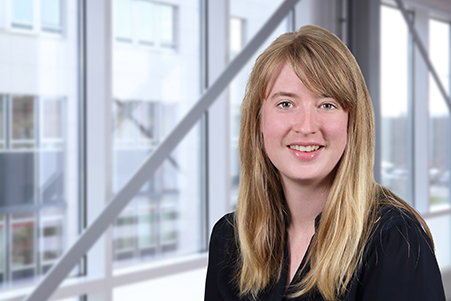
Lea Kauffmann
M. Sc. Public Health
APN for people with neuro-oncological health disorders(Ward 26 and Ward 45)
Tel.: +49 511 532-6540
E-MAil: Kauffmann.Lea@MH-Hannover.de
Professional background:
1. training and studies:
- 2014-2016: Master of Science Public Health, Fulda University of Applied Sciences
- 2010-2014: Dual study program Bachelor of Arts Nursing (focus: Nursing Counseling, Hanover University of Applied Sciences and Arts)
- 2009-2012: Training as a health and nursing professional, University Medical Center Göttingen
2nd professional experience:
- Since 2017: Advanced Practice Nurse, MHH
- 2015-2016: Research assistant at the Institute of General Medicine, University Medical Center Göttingen
- 2012-2016: Healthcare and nursing assistant on the dermatology ward, University Medical Center Göttingen
Membership of networks and associations
- German Network APN & ANP g.e.V., member of Network Group North
- German Society for Nursing Science (DGP)
Projects/working groups:
- APN Network (MHH) (ongoing)
- Standard AG (MHH) (ongoing)
- German Cancer Aid AG Nursing (ongoing)
- Ethics Committee for Professions in Nursing Lower Saxony (PEK-Nds) (ongoing)
General information:
Neuro-oncological diseases are all benign and malignant tumors in the central nervous system (CNS). There are roughly two types of CNS tumors: primary CNS tumors and secondary CNS tumors. Primary CNS tumors are tumors that arise from the tissue of the CNS itself. Secondary CNS tumors are brain metastases that settle in the brain as secondary tumors due to already manifested oncological diseases in other organ systems (e.g. breast cancer).
Tumors of the central nervous system are rare oncological diseases that can occur at any age.
Primary tumors are divided into 4 classes using WHO grades, ranging from grade 1 tumors (benign, slow-growing tumors) to grade 4 tumors (malignant and very fast-growing tumors).
Patients with CNS tumors are often confronted with neurological deficits (paralysis, swallowing disorders, speech and language disorders) and therefore require comprehensive and holistic care and treatment. Particularly in the case of malignant CNS tumors, further treatment with radiotherapy and chemotherapy is necessary in addition to surgical resection. In this complex process, patients and their relatives are cared for by an APN and advised on the following key topics.
Main topics
- Dealing with neurological deficits and coping with the disease
- Dealing with the surgical wound in the home environment
- Dealing with oncological symptoms
- Advice on managing side effects of chemotherapy and radiotherapy
- Advice on support services such as psycho-oncology, socio-legal advice
- Advice on palliative care situations
- Care for patients at the end of life
- Support and empowerment of relatives and loved ones
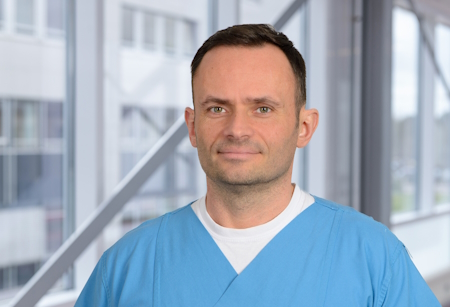
Konrad Krüger
M.A. Educational Sciences and Management
APN for people with depressive health disorders(ward 50b)
Phone: +49 176 1532-6615
E-MAil: krueger.konrad@MH-Hannover.de
Professional background
1. training and studies:
- 2019-2022: Master of Arts in Educational Sciences and Management at Hanover University of Applied Sciences and Arts
- 2017-2019 Bachelor of Arts Nursing, Hanover University of Applied Sciences and Arts
- 2013-2016: Training as a health and nursing professional, Hannover Medical School
2nd professional experience:
- Since 2023: Advanced Practice Nurse, MHH
- 2016-2022: Healthcare and nursing staff on the protected psychiatric acute ward, St. 50b MHH
Membership of networks
- German Network APN & ANP (DNAPN)
- German Society of Psychiatric Nursing (DFPP)
Projects/working groups
- APN Network (MHH) (ongoing)
- "Expert Council for Therapeutic Boxing"
General information
Nationwide, more than one in four adults fulfills the criteria of a psychiatric illness in the course of a year, with anxiety disorders, depression and disorders caused by alcohol or drug use being among the dominant psychiatrically relevant clinical pictures. For the approximately 18 million people affected and their relatives, mental illness is often associated with massive suffering and frequently leads to stigmatization, combined with serious restrictions in social and professional life.
The German Federal Ministry of Health even ranks depressive disorders as one of the most common and most underestimated illnesses in Germany in terms of their severity. It is also assumed that a large proportion of the more than 9,000 suicides each year suffer from a mental illness with symptoms of depression.
It is undisputed that adequate evidence-based psychiatric and psychotherapeutic care is necessary to support people through mental health crises. The multi-professional team works together with patients to offer recovery-promoting support measures that are geared towards individual needs and requirements. The APN provides advice on the following key topics.
Main topics
- Advice and training on recovery-oriented recovery processes and coping with mental crises in a clinical setting
- Advice and training on promoting resilience and resource orientation to prevent mental crises
- Advice on medication management and recognizing early warning signs to prevent acute psychiatric crisis situations
- Advice and information for relatives of people with mental health support needs
- Implementation of everyday skills training and development of everyday skills to strengthen empowerment and self-empowerment
- Person-centeredness and life-world orientation as a central interaction criterion for psychosocial interventions
- Boxing therapy as an intervention tool for psychotherapeutic relationship management and emotion regulation (qualified boxing therapist at the Hanover Sports Therapy Academy)
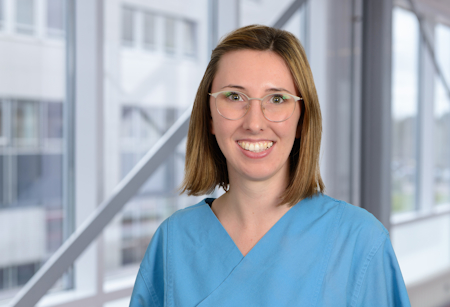
Kendra Rohleder
M.Sc. Nursing Science
APN for people with chronic inflammatory diseases(Ward 28)
Phone: +49 1761 532-2509
Email: Rohleder.Kendra@mh-hannover.de
Professional background:
1. training and studies:
- 2021-2023: Master of Science in Nursing Science, Albert-Ludwigs-University Freiburg
- 2020: Further training as a rheumatology specialist assistant DGRh - BDRh
- 2014-2018: Dual study program Bachelor of Science "Health and Nursing", University of Applied Sciences Bielefeld/Mühlenkreiskliniken
2nd professional experience:
- Since 2024: Advanced Practice Nurse, MHH
- 2020-2023: Team leader rheumatology normal ward (Minden)
- 2018-2020: Healthcare and nursing assistant on rheumatology ward (Minden)
Membership of networks and associations
- German Network APN & ANP g.e.V. (DNAPN)
- German Society for Nursing Science e.V. (DGP)
- Professional Association of Rheumatology Assistants e.V.
- European Alliance of Associations for Rheumatology (EULAR)
- American College of Rheumatology (ACR)
Projects/working groups:
- APN Network (MHH) (ongoing)
- Standard AG (MHH) (ongoing)
General information:
Chronic inflammatory diseases are mostly incurable health disorders. The cause of these diseases is a malfunction of the human immune system in which the body's own tissue is attacked (autoimmune disease).
The colloquial term "rheumatism" covers more than 100 different diseases that can affect a variety of organs and organ systems. Crohn's disease and ulcerative colitis are classified as chronic inflammatory bowel diseases. These are also attributable to autoimmune reactions. All of these diseases are accompanied by diverse and changing symptoms, which constantly present those affected with new problems.
At the MHH, the focus is on treating patients with rare inflammatory diseases and complicated disease progressions. In the Departments of Rheumatology, Nephrology and Gastroenterology, they are also looked after by an APN and advised on the following topics. The aim is to ensure optimal treatment that is tailored to the needs of those affected.
Main topics
- Advice on coping with the disease, especially after diagnosis
- Information on therapy, in particular complications, side effects and medication management after discharge
- Information and advice on complementary therapies (e.g. relaxation, exercise, nutrition)
- Self-management support, in particular stress management, everyday life with the illness (travel, hobbies, etc.)
- Training those affected to research and evaluate health information
- Mediation between the professional groups involved in treatment and promotion of joint decision-making with those affected
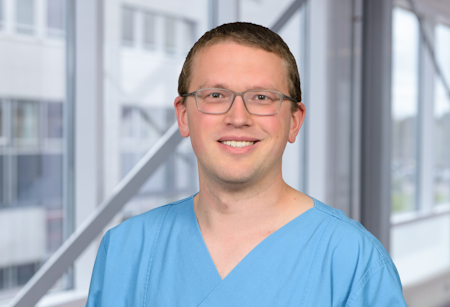
Burkhard Sohn
M. Sc. Public Health
APN for people with kidney failure(Ward 32)
Phone: +49 1761 532-2571
E-mail: Sohn.Burkhard@mh-hannover.de
Professional background:
1. training and studies:
- 2021-2024: Master of Science Public Health, Hannover Medical School (MHH)
- 2017-2021: Bachelor of Arts Nursing, Hanover University of Applied Sciences Fak V - Deaconry, Health, Social Affairs
- 2013-2017: Training as a health and nursing professional, Hannover Medical School
2nd professional experience:
- Since 2024: Advanced Practice Nurse, MHH
- 2016-2024: Healthcare and nursing assistant on ward 32 (NPH/IFK/KAR)
- 2010-2011: Civilian service, MHH
Membership in networks and associations
- German Network APN & ANP g.e.V.
- German Professional Association for Nursing Professions (DBfK)
- Professional Association of Nephrology Professions (fnb)
Projects/working groups:
- APN network (MHH) (ongoing)
- Standard AG (MHH) (ongoing)
General information:
Renal failure can occur due to an acute event as Acute Renal Failure (ANV) or develop progressively and manifest as Chronic Renal Failure (CNV). With early intervention, kidney function can be preserved, but often the only option is renal replacement therapy in the form of dialysis or kidney transplantation. In any case, those affected are dependent on lifelong aftercare.
Due to current demographic changes, higher life expectancy and epidemiological developments in common diseases such as diabetes and hypertension, an increase in kidney failure can be observed in Germany. Individual care is necessary to ensure good healthcare.
At the MHH, the focus is on treating patients with complicated disease progression. In the Department of Nephrology, patients and their relatives are also cared for by an APN. The aim is to ensure optimal treatment that is tailored to the needs of those affected. Advice and care is provided on the following main topics.
Main topics:
- Advice on coping with the disease, especially after diagnosis
- Information on therapy, in particular complications, side effects and medication management after discharge
- Information and advice on complementary therapies (e.g. exercise, nutrition, etc.)
- Self-management support, in particular stress management, everyday life with the disease (e.g. traveling, hobbies,...)
- Training those affected to research and evaluate health information
- Mediation between the professional groups involved in treatment and promotion of joint decision-making with those affected
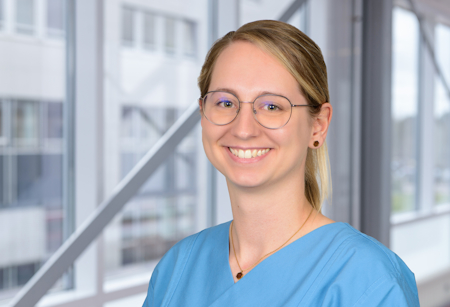
Katrin Flügge
M. Sc. Nursing Science
APN for people with subarachnoid haemorrhage(Ward 34)
Phone: +49 1761 532-2596
E-MAil: Fluegge.Katrin@mh-hannover.de
Professional background
1. training and studies:
- 2021-2024: Master of Science Health and Nursing Sciences, Martin Luther University Halle-Wittenberg
- 2019-2021: Bachelor of Arts Nursing, Hanover University of Applied Sciences and Arts
- 2014-2017: Training as a healthcare and nursing assistant, Asklepios Clinical Departments Schildautal
2nd professional experience:
- Since 2024: Advanced Practice Nurse, MHH
- 2017-2024: Healthcare and nursing assistant, neurosurgical-anesthesiology intensive care unit, St. 34 MHH
Membership of networks and associations
- German Network APN & ANP g.e.V.
- German Society for Nursing Science e.V.
- German Interdisciplinary Association for Intensive Care and Emergency Medicine
Projects/working groups
- APN Network (MHH) (ongoing)
- AFG vascular neurology (DNAPN)
General information
A subarachnoid hemorrhage (SAH) is often the result of a ruptured cerebral artery aneurysm (a bulge in a blood vessel). SAH is a form of stroke and therefore an emergency. The main symptoms include severe headaches ("annihilation headache"), nausea and neck stiffness. The bleeding event leads to an increase in intracranial pressure and reduces blood flow to the brain. In severe cases, clouding of consciousness and even coma can occur. Every year, 6 people per 100,000 inhabitants suffer an SAH.
Therapeutically, the early elimination of the source of bleeding has top priority. Minimally invasive procedures such as "coiling" or surgical procedures such as "clipping" can be used for this. In coiling, platinum microcoils are advanced into the aneurysm via the blood vessel system. As a result, the aneurysm is no longer supplied with blood. In clipping, the aneurysm neck is closed from the outside using a metal clip as part of an operation on the brain.
At the MHH, further treatment takes place in a neurosurgical intensive care unit. There, patients with an SAH and their relatives are also cared for and advised by an APN. The aim is to ensure optimal care in order to prevent complications and secondary damage.
Main topics
- Continuous support for SAB patients and their relatives
- Informational discussions on the clinical picture and intensive inpatient care
- Support in pain management (pain assessment and therapy)
- Support in delirium management (prevention, screening, treatment)
- Advice on dealing with neurological limitations
(e.g. hemiplegia) - Support for relatives
- Keeping an intensive care diary
- Mediation between the professional groups involved in treatment and promotion of joint decision-making with patients and their relatives
- Information on discharge management and the time after the intensive care stay
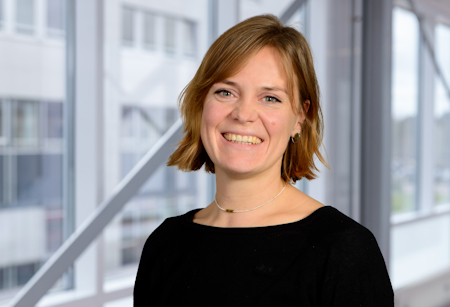
Lea Kafrouni
M.A. Nursing and Health Education
APN for people with a personality disorder(Ward 53b)
Phone: +49 1761 532-8266
E-mail: Kafrouni.Lea@mh-hannover.de
Professional background:
1. training and studies:
- 2021-2024: Master of Arts Educational Sciences for Health and Nursing Professions, Hanover University of Applied Sciences and Arts
- 2017-2020: Bachelor of Arts in Nursing Science, Osnabrück University of Applied Sciences
- 2014-2017: Training as a healthcare and nursing assistant, Ameos Klinikum Osnabrück
2nd professional experience:
- Since 2024: Advanced Practice Nurse, MHH
- 2019-2024: Healthcare and nursing assistant on the open acute psychiatric ward 53b at the MHH
- 2017-2019: Healthcare and nursing assistant on an adolescent ward in the acute psychiatric unit in Osnabrück
Memberships in networks and associations
- German Society for Psychiatric Nursing (DFPP)
Projects/working groups
- APN Network (MHH) (ongoing)
General information
People with a borderline personality disorder are confronted with special challenges on various levels. They are stigmatized by the system, there is a lack of background knowledge at the contact points and those affected themselves, but also those treating them, state that they are overwhelmed by the multifaceted symptoms.
According to the guidelines, the high readmission rates in inpatient psychiatric institutions are not conducive to health, but cannot currently be overcome due to structural problems. In addition, international Nursing staff report that they feel overwhelmed when dealing with those affected and often feel insecure. The same is described by those affected themselves.
People with borderline personality disorder are also repeatedly admitted and treated at the MHH. In order to anticipate the points described above and to make the course of treatment as beneficial as possible for those affected, well-trained, experienced nursing staff are needed who can grasp and deal with the complexity. The APN focuses on the following topics.
Main topics
- Building empathic relationships and creating a trusting, reliable therapeutic basis
- Advice and support in dealing with the diagnosis and the clinical picture
- Advice and support in dealing with relatives and loved ones
- Practical everyday training
- Daily structuring, medication training and education
- Psychotherapeutic approaches with skills training and application of functional compensation strategies
Lisa Drößler
M. Sc. Public Health
APN for people with a first diagnosis of acute leukemia (AML)(Ward 42)
Phone: +49 1761 532-2774
E-mail: droessler.lisa@mh-hannover.de
Professional background
1. training and studies:
- 2021-2024: Master of Science Public Health, MHH
- 2019-2021: Dual study program Bachelor of Arts Nursing. Focus: Nursing Management, Hanover University of Applied Sciences and Arts
- 2014-2017: Training as a health and nursing professional, MHH
2nd professional experience:
- Since 2024: Advanced Practice Nurse, MHH
- 2017-2024: Healthcare and nursing assistant in haematology/oncology, MHH
Membership of networks and associations
- German Network APN & ANP g.e.V.
Projects/working groups:
- APN Network (MHH) (ongoing)
- Standard AG (MHH) (ongoing)
General information:
Human hematopoiesis mainly takes place in the bone marrow, where erythrocytes, leukocytes and thrombocytes are formed from stem cells. In leukemia, the maturation process of the leukocytes is disrupted. This leads to an uncontrolled proliferation of immature precursor cells, so-called blasts. The unchecked proliferation of blasts displaces the other cells involved in normal haematopoiesis and they are therefore no longer able to fully perform their functions. Symptoms such as infections due to a weakened immune system, fatigue, shortness of breath and bleeding can occur.
There are numerous subtypes of leukemia and so the treatment options are also varied. In most cases, treatment with chemotherapy is divided into several units, known as cycles. Side effects can occur, particularly at the beginning of treatment, and longer hospital stays may be necessary.
During their time in hospital, patients are offered support from an APN, who provides assistance from the time the diagnosis is made until the last cycle of treatment is completed. The stressful experience, insecurities and fears, as well as side effects such as loss of appetite, nausea, mucositis or fatigue are addressed individually. Basic knowledge about the disease and therapy is imparted step by step and guidance is given on prophylactic care measures. This enables self-care skills to be strengthened and excessive demands to be avoided. At the same time, a trusting relationship between patient and APN is promoted, which can also be used as a point of contact for any queries after discharge.
Main topics
- Structured provision of information
- Informational discussions on the underlying disease and therapy
- Advice and continuous support on side effect management
- Advice on support services such as psycho-oncology, socio-legal advice
- Advice on behavior in the home environment
Karoline Krüske
M. Sc. Nursing
APN for children with congenital heart defects and their parents(Ward 67 + Ward 68b)
Phone: +49 1761 532-6511
E-mail: Krueske.Karoline@mh-hannover.de
Professional background:
1. training and studies:
- 2022-2024: Master of Science Nursing, Hamburg University of Applied Sciences (HAW)
- 2018-2020: Bachelor of Arts Nursing, Hanover University of Applied Sciences Fak. V
- 2015-2018: Training as a healthcare and pediatric nurse, Hannover Medical School (MHH)
2nd professional experience:
- Since 2025: Advanced Practice Nurse, Ward 67 (pediatric intensive care unit) at MHH
- 2018-2024: Health and pediatric nurse on ward 67
- 2014-2015: Voluntary social year, KRH Nordstadtkrankenhaus
Membership of networks and associations
- German Network APN & ANP g.e.V.
- German Interdisciplinary Association for Intensive Care and Emergency Medicine
Projects/working groups:
- APN network, MHH (ongoing)
General information:
In 2023, 692,989 children were born in Germany, of which around 8,700 were born with a congenital heart defect (CHD) (German Heart Foundation 2024). Congenital heart defects are the most common organ malformations and, depending on their severity, can show symptoms shortly after birth (Sattler 2020). Thanks to medical advances, children with complex heart defects such as hypoplastic left heart syndrome (HLHS) now survive more frequently and reach adulthood in 95% of cases (Clift, Celermajer 2016; Deutsche Herzstiftung 2024). Despite this progress, there is still a high risk of complications and premature death (Kverneland et al. 2018).
In pediatric Nursing, technical and medical developments are increasing the need for care, which often requires intensive medical measures (Kverneland et al. 2018). Compared to adults, special anatomical and physiological aspects must be taken into account in children (Tönsfeuerborn et al. 2021). A central feature of pediatric Nursing is the holistic view of the child in the family context, in which parents should be actively involved in the care process (Shields et al. 2012; Blümel 2020). Particularly in the case of complex, potentially life-threatening conditions such as congenital heart defects, the burden on children and families is enormous. Children often require intensive medical care, which can impair the parent-child bond (Blum et al. 2016; Roeleveld et al. 2018; Idorn et al. 2013; Lisanti et al. 2023). Parents face emotional challenges such as anxiety and uncertainty before, during and after the intensive care stay, which can affect the child's recovery process and family dynamics (Wei et al. 2016; Martins Faria Faddul Alves et al. 2013). In particular, the effects of the intensive care stay on the child are characterized by numerous negative influences (Silva et al. 2014). Children and their parents are exposed to numerous stressors, including insecurities and fears. In addition, parents often feel unable to act, even though they are usually the ones who know the most about their child (Lisanti et al. 2017). This is where the field of action of an APN begins. The aim is to provide continuous support in order to give parents confidence and a willingness to talk and to enable them to act or to maintain their existing ability to act. This is to be achieved in particular through guidance situations and counseling sessions.
Main topics:
- Continuous support for patients and their parents during the intensive care stay and beyond through initial, interim, transfer and discharge discussions
- Guidance and advice for parents during the intensive care stay according to their needs and with a view to promoting parental health literacy for their child in particular
- Support during the transfer situation
- Prenatal counseling
- Mediation between the professional groups involved in the treatment and promotion of joint decision-making with those affected
- Striving for evidence-based care through scientifically supported Nursing of children with congenital heart defects and their parents
Layla Alberings
M. Sc. Nursing
APN for people with acute confusion(ward 43c)
Phone: +49176-1532-7146
E-mail alberings.layla@mh-hannover.de
Professional background
1. training and studies
- 2023-2025: Master of Science Nursing, Hamburg University of Applied Sciences
- 2016-2020: Bachelor of Arts Nursing (focus: Nursing Management), Hanover University of Applied Sciences and Arts
- 2014-2017: Training as a healthcare and nursing assistant, MHH
2nd professional experience
- Since 2025: Advanced Practice Nurse, MHH
- 2021-2025: Research assistant in nursing science, MHH
- 2021-2025: Healthcare and nursing assistant on the stroke unit, MHH
- 2017-2020: Healthcare and nursing assistant on the neurological normal ward 43, MHH
Membership of networks and associations
- German Network APN & ANP g.e.V.
Projects/working groups
- APN Network (MHH) ( ongoing)
- Standard AG (MHH) (ongoing)
- Delir AG (MHH) (ongoing)
- Vascular Neurology Working Group (DNAPN) (ongoing)
Various forms of confusion can occur in neurologically ill patients. The risk of developing delirium after a stroke, for example, is up to 80%, depending on concomitant illnesses and risk factors. In addition to delirium, symptoms of confusion also occur in the context of dementia-related developments or diseases such as epilepsy, Parkinson's disease, encephalitis, encephalopathy or transient global amnesia (TGA). Typical signs are a change in consciousness and cognitive functions, disorientation, impaired attention, restlessness or withdrawal and apathy as well as impaired thought processes.
Especially in combination with the basic neurological symptoms, such as speech disorders, movement restrictions and swallowing disorders, this results in enormous stress for affected patients and their relatives. Holistic support and care, as well as early prevention, recognition and individual treatment of states of confusion are therefore of central importance.